In today's era of rapid technological development, batteries, as key components of energy supply, are constantly expanding and deepening their scope, playing a vital role in many fields.
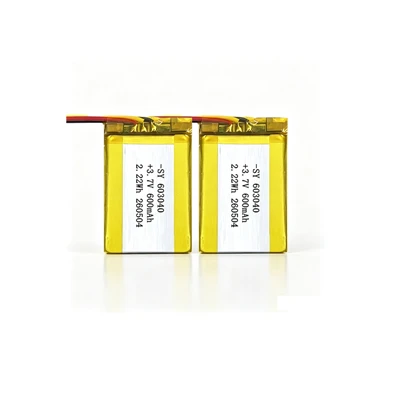
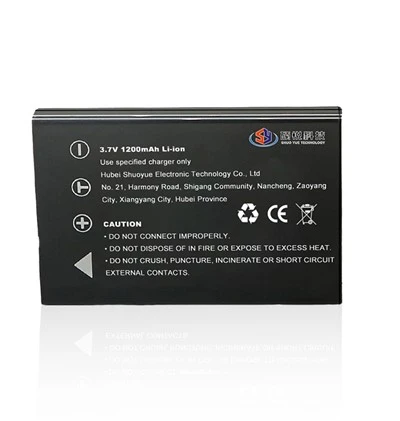
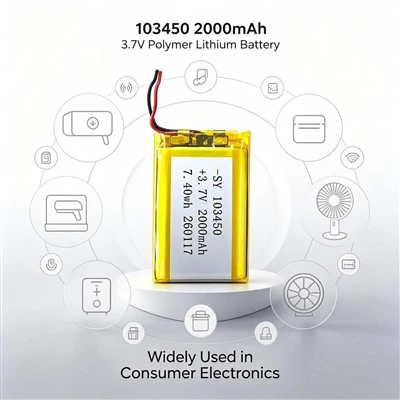
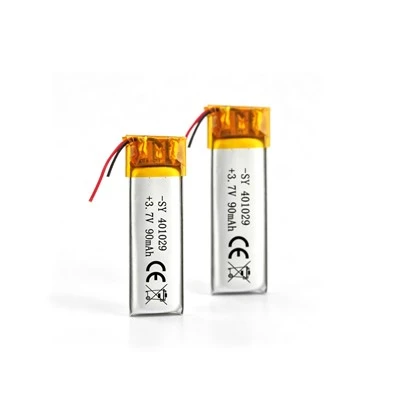
From the perspective of consumer electronics, the range of batteries covers a variety of types from traditional dry batteries to high-performance lithium batteries. Dry batteries used to be a common power source in daily life, providing stable power support for devices such as remote controls and flashlights. With the advancement of technology, lithium batteries have become standard for mobile devices such as smartphones, tablets, and laptops due to their advantages such as high energy density and long cycle life. The widespread use of lithium batteries has greatly improved the performance and convenience of electronic devices.
In the field of electric vehicles, the expansion of the battery range is even more significant. Various battery technologies such as nickel-hydrogen batteries, lithium iron phosphate batteries, and ternary lithium batteries are competing for development. Nickel-hydrogen batteries have high safety, lithium iron phosphate batteries have good thermal stability, and ternary lithium batteries have high energy density. These different types of batteries meet the needs of electric vehicles in different application scenarios and promote the vigorous development of the electric vehicle industry. For example, electric trucks for long-distance transportation may require high-energy-density ternary lithium batteries to ensure driving range, while small electric vehicles for urban commuting may prefer nickel-metal hydride batteries with higher safety.
In addition, batteries also play an indispensable role in the field of energy storage. Whether it is a home energy storage system or a large-scale grid energy storage power station, batteries are needed to achieve effective storage and release of electricity. Lead-acid batteries, flow batteries, etc. are widely used in the field of energy storage.
The scope of batteries is not limited to these. With the continuous development of new energy, the Internet of Things and other fields, the demand for batteries will also become more diversified and specialized. In the future, innovations and breakthroughs in battery technology will further expand its scope of application, inject new impetus into the development of various industries, and promote global energy transformation and sustainable development.