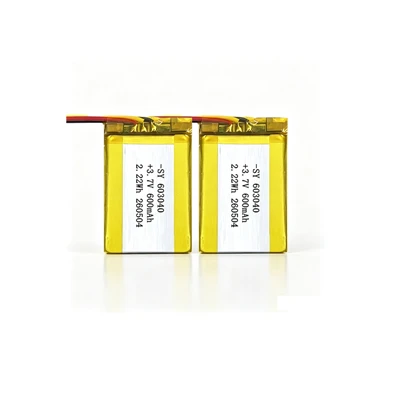
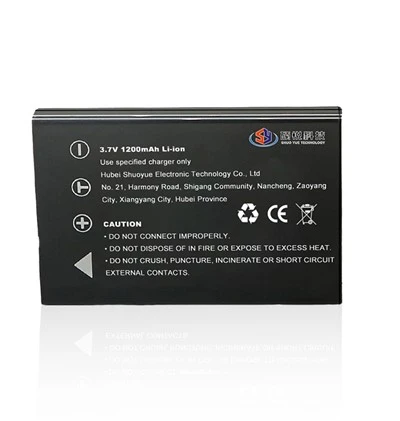
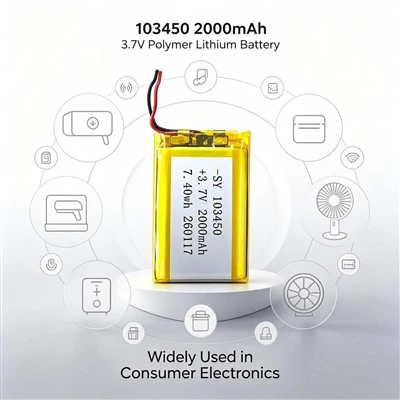
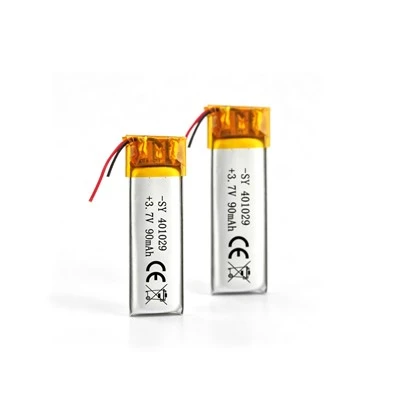
In modern electronic devices, lithium polymer battery packs are widely used for their high energy density and lightweight characteristics. Especially 3.7V lithium polymer battery packs, they are commonly found in mobile phones, laptops and various portable devices. In order to ensure the performance and safety of the battery pack, it is essential to carry out a professional testing process.
First, the appearance inspection is the first step. The inspector will check whether there is obvious physical damage to the appearance of the battery pack, such as cracks, deformation or leakage. These appearance damages may be a direct manifestation of battery performance degradation or safety hazards.
Next, the voltage test of the battery pack is essential. Using a high-precision voltmeter, the inspector will measure the total voltage of the battery pack to ensure that it is around the nominal 3.7V. If the voltage deviates from this range, it may indicate that the battery pack is aging or damaged.
In addition, the internal resistance test is also an important part of the testing process. The internal resistance of the battery is an important indicator of its internal loss. By measuring the internal resistance of the battery pack with professional instruments, the health of the battery can be judged. The lower the internal resistance value, the better the battery's charge and discharge performance.
Next, capacity testing is a key step in evaluating battery performance. Through the charge and discharge test equipment, the charge and discharge process of the battery in actual use can be simulated to measure the actual capacity of the battery pack. By comparing with the nominal capacity, it can be judged whether the battery performance is up to standard.
Finally, safety testing is essential. Including short circuit testing, overcharge and over discharge testing, etc., to ensure the safety of the battery under abnormal conditions.
Through the above process, the performance and safety of lithium polymer battery packs can be fully evaluated to provide consumers with high-quality battery products. This strict testing process not only reflects the pursuit of product quality, but also guarantees the reputation of foreign trade enterprises.