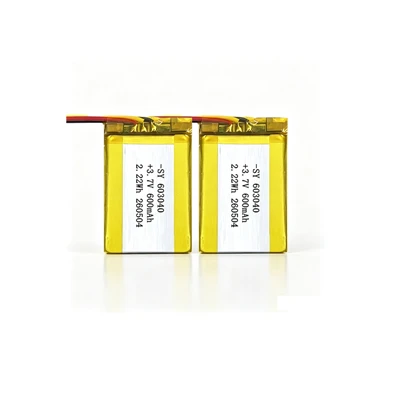
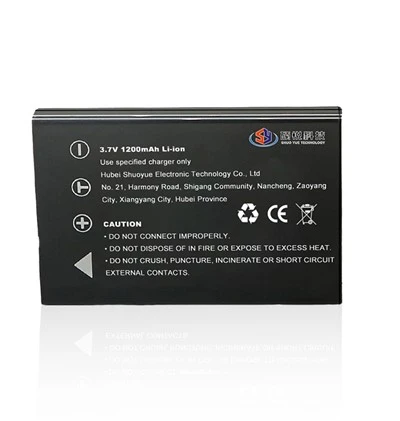
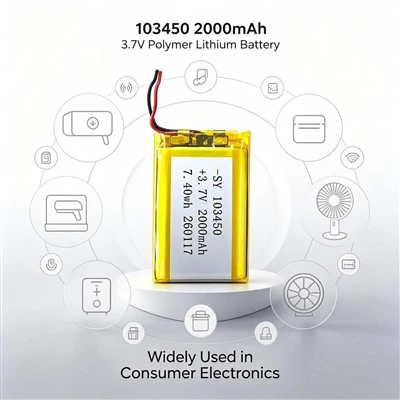
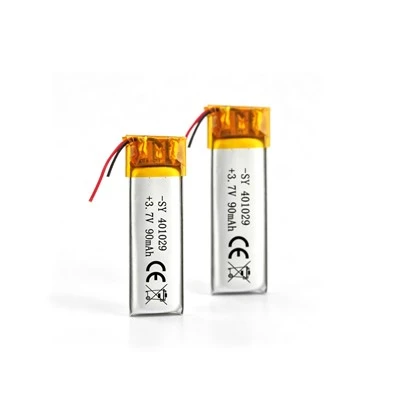
In modern electronic devices, lithium-ion polymer batteries are widely used due to their high energy density, light weight and portability. Among them, 3.7V 100mAh lithium-ion polymer batteries are more common in small smart wearable devices, Bluetooth headsets and other products. So, what implementation standards does this battery follow?
From the perspective of safety, its implementation standards have strict requirements. In a series of standards formulated by the International Electrotechnical Commission (IEC), there are detailed test methods and indicators for the safety performance of lithium-ion polymer batteries such as overcharge, over-discharge, short circuit, and high temperature. For example, in the overcharge test, it is necessary to simulate the performance of the battery under overcharge to ensure that it will not cause serious safety accidents such as fire and explosion. In the design and production process of 3.7V 100mAh lithium-ion polymer batteries, these safety standards must be strictly followed to ensure the safety of consumers.
In terms of performance, there are also corresponding standards for indicators such as battery charge and discharge efficiency and capacity retention rate. According to relevant standards, batteries of this specification should be able to maintain a high capacity retention rate in normal charge and discharge cycles to ensure the endurance of the device. At the same time, parameters such as the internal resistance of the battery are also within the standard control range, which helps to reduce energy loss and improve the overall performance of the battery.
In terms of environmental protection, the production and use of lithium-ion polymer batteries also need to comply with environmental protection standards. This involves multiple links such as the selection of raw materials, waste disposal during the production process, and the impact on the environment. During the production process of 3.7V 100mAh lithium-ion polymer batteries, the negative impact on the environment must be minimized as much as possible to meet international and domestic environmental protection requirements.
In short, the implementation standards of lithium-ion polymer batteries 3.7V 100mAh cover multiple aspects such as safety, performance and environmental protection. Only by strictly following these standards can the quality and reliability of the battery be ensured, stable power support can be provided for various electronic devices, and the healthy development of the electronics industry can be promoted.